Master Executive Presence — Executive Presence Training for the C-Suite
For senior leaders who must stay credible, composed and clear when visibility and stakes peak.
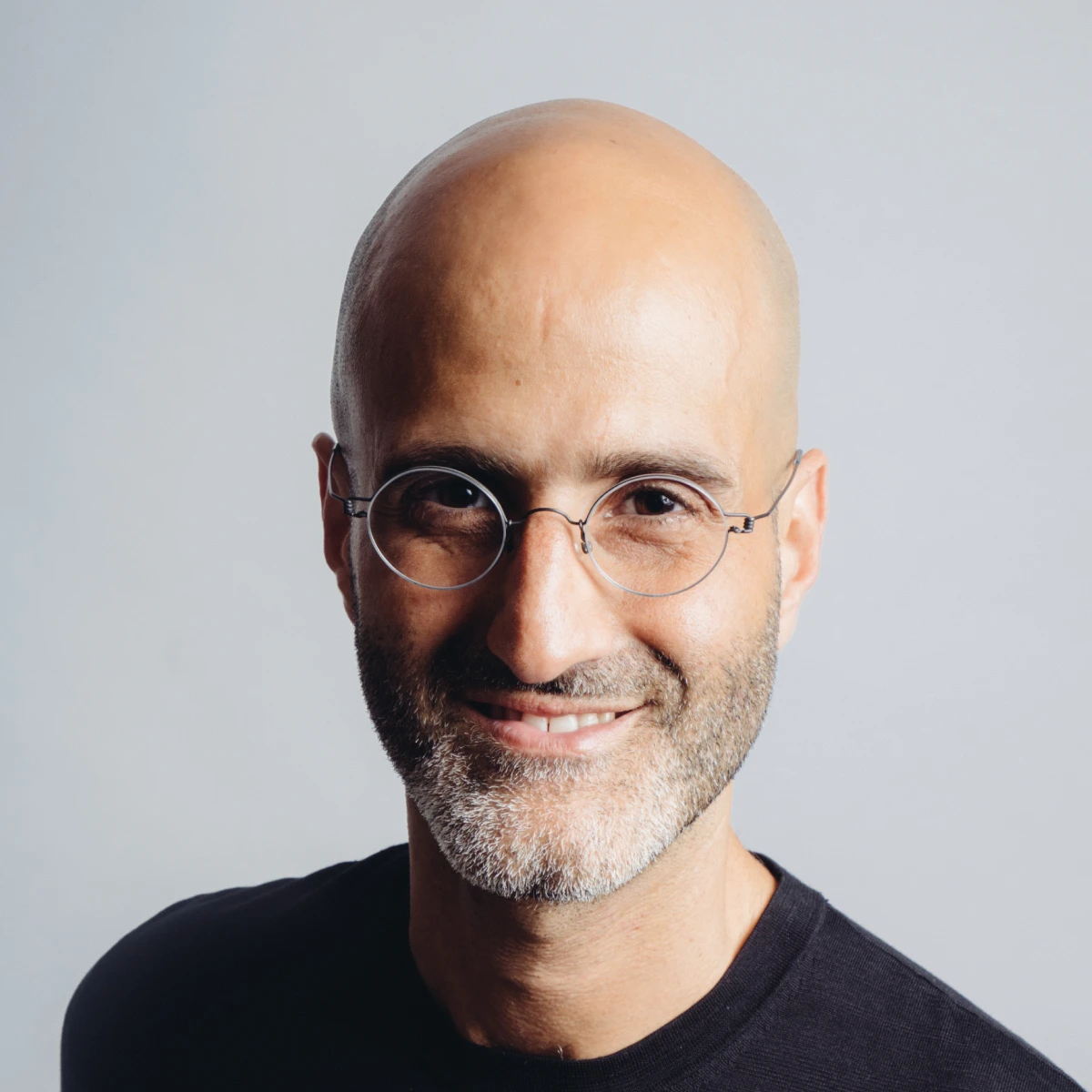
Moustafa Hamwi trains C-suite leaders, executive teams, and boards to build executive presence as a measurable performance discipline for high-stakes leadership moments — not a matter of personality.
"Executive presence is a learnable performance discipline — not a personality trait — for how leaders think, communicate, and lead under pressure."Moustafa Hamwi


26%
Source: Coqual (formerly the Center for Talent Innovation), research across approximately 4,000 professionals.
What is executive presence training?
Executive presence training is a structured development process that builds the composure, communication discipline, and stakeholder authority senior leaders need when the stakes are highest. It is designed for C-suite executives, senior leadership teams, and the CHROs who develop them. Rather than polishing surface signals, it develops three capabilities as one discipline — executive composure, executive communications, and leading through disruption. Every engagement starts by measuring how key stakeholders experience the leader, builds the capabilities their context demands, and re-measures whether those perceptions have changed. For the underlying concept, see what executive presence means.
The Master Executive Presence framework
One discipline, delivered through three capabilities — each expressed as a programme with its own method, measurable outcomes, and application.
Executive Composure
A leader's trained capacity to stay clear, decide well, and recover stronger under pressure.
Executive Communications
Communicating with authority, not just clarity — the five elements of executive communication that shape whether a board, an investor, or an organisation acts.
Who is executive presence training for?
- C-suite leaders preparing for board visibility, succession, transformation, or investor scrutiny — the moments where authority is read in real time.
- CHROs and CEOs building executive presence across a senior leadership cohort — with evidence that the capability moved.
- Boards and executive teams seeking advisory input on presence, credibility, and stakeholder trust under pressure.







Why presence decides more than it used to
At the top of an organisation, technical brilliance is table stakes. Strategy, financial fluency, sector expertise — every leader in the room has them. What separates leaders when the stakes are highest is presence: how they think, communicate, and lead when pressure peaks and the room is watching. Coqual's findings on promotion point in the same direction: boards do not reward knowledge alone, but how judgement lands under scrutiny.
The market's usual answer has been to coach the signals: gravitas, polish, image. That diagnoses what a room reads; it does not build the capability that produces it. Signals are diagnostic; they are not the development system. Master Executive Presence works on the discipline underneath — taught, practised, measured, and re-measured.
How engagements run
- STEP 1 — BASELINE: Before the work begins, key stakeholders assess how they experience the leader — clarity, authority, trust.
- STEP 2 — BUILD: Advisory, cohort programmes, and keynotes target the capabilities the leader's context demands — applied in real moments such as board presentations, investor updates, succession reviews, and town halls.
- STEP 3 — RE-MEASURE: The same stakeholders, the same measure, after the work. Presence is judged by the people who experience it — not by self-report.
“If it can't be linked to ROI, it isn't the right solution.”Moustafa Hamwi
Measured engagement example
In one GCC insurer's leadership programme — 30 senior leaders over six months, using Marshall Goldsmith's Stakeholder-Centered Coaching methodology adapted for the region — every surveyed leader reported overall improvement. Average leadership effectiveness rose 10.3 per cent (self-rated, 6.8 to 7.5, measured pre- and post-programme), stakeholder engagement rose from 6.1 to 7.7 on the organisation's own measure, and the organisation linked the shift to approximately US$2.58 million in value. No client name, by agreement.


Ways to work with Moustafa
Executive presence training, answered
What is executive presence training?
Executive presence training develops how a senior leader performs when it counts: thinking clearly under pressure, communicating with authority, and holding stakeholder trust through change. Presence is trainable: it develops through behavioural feedback, deliberate practice under realistic pressure, and stakeholder re-measurement — the same way any performance discipline is built. It is not charisma coaching; it is capability development with evidence.
What should executive presence training include for senior leaders?
Four things. A stakeholder-assessed baseline. Development across the three capabilities that produce presence — executive composure, executive communications, and leading through disruption. Application in the leader's real moments: board presentations, investor updates, succession reviews, town halls. And re-measurement — so the change is demonstrated rather than assumed.
How is executive presence training measured?
By the people who experience the leader. Engagements baseline how key stakeholders rate the leader's clarity, authority, and trust, then re-measure with the same stakeholders after the work. Where organisations track the commercial outcomes those shifts affect — succession readiness, stakeholder confidence, decision speed — the change can be linked to value. A measured engagement example is published on this page.
How is executive presence training different for C-suite leaders?
The stakes and the audience. At C-suite level, presence is judged in board meetings, investor calls, and succession decisions — not in training rooms. The work therefore uses the leader's real contexts, involves the stakeholders whose confidence decides outcomes, and is held to commercial results rather than confidence scores.
Who provides executive presence training for CEOs, boards, and senior leadership teams?
Moustafa Hamwi, Executive Presence Advisor to the C-Suite, develops executive presence with senior leaders, executive teams, and boards internationally — through advisory, cohort programmes, and keynotes built on the Master Executive Presence framework.
LATEST THINKING
Latest thinking

Decision-Making Under Uncertainty: How Executives Decide When Certainty Is Incomplete

Five Disciplines for Leading Under Pressure: Inside the Slingshot Method

How Senior Executives Hold the Room in a High-Stakes Presentation

Slides Are Not the Presentation: Choosing the Right Platform for the Message